ACCREDITATION


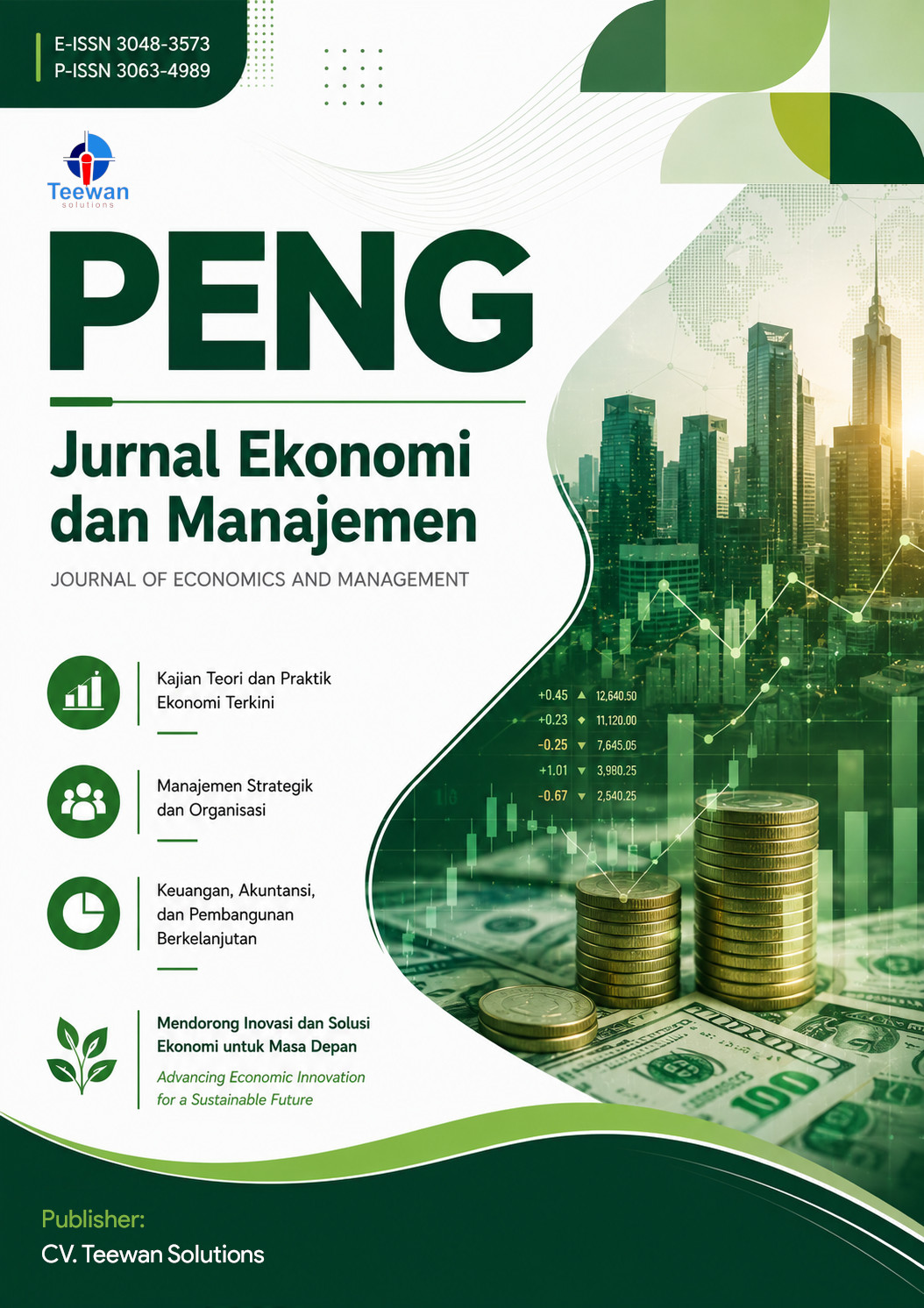
This issue is currently in progress and focuses on multidisciplinary studies that integrate knowledge from various academic fields to address contemporary challenges. It welcomes research in social sciences, education, economics, technology, culture, environmental studies, and community development. By encouraging interdisciplinary collaboration and innovative approaches, this issue aims to expand scientific knowledge, generate practical solutions, and contribute to sustainable development, social progress, and improved community welfare.

Social Innovation and Community Participation for Inclusive and Sustainable Development explores the role of social innovation and active community participation in promoting inclusive and sustainable development. This theme highlights collaborative initiatives, local creativity, community empowerment, social entrepreneurship, and participatory decision-making. By integrating local knowledge, innovative solutions, and stakeholder collaboration, communities can address social challenges, reduce inequalities, strengthen local capacities, improve public welfare, and create sustainable opportunities for present and future generations.
Environmental Economics and Sustainable Development: Challenges, Innovations, and Future Perspectives explores the relationship between economic growth and environmental sustainability in addressing contemporary global challenges. This theme highlights green innovation, sustainable business practices, environmental policies, renewable energy, and responsible natural resource management. It encourages research on innovative economic strategies that balance prosperity with ecological preservation, promote green entrepreneurship, strengthen environmental resilience, and support inclusive development for present and future generations.
Circular Economy and Green Innovation for Sustainable Business Development explores the application of circular economy principles and green innovation to promote sustainable business practices. This theme highlights resource efficiency, waste reduction, recycling, eco-friendly product development, renewable energy, and sustainable entrepreneurship. It encourages businesses to adopt innovative strategies that minimize environmental impacts while improving productivity and competitiveness. Through responsible resource management and environmentally conscious business models, this theme aims to support long-term economic growth, environmental protection, and sustainable development.
Integrating Environmental Economics and Business Innovation for Sustainable Development explores the integration of environmental economic principles and business innovation to achieve sustainable development. This theme emphasizes green entrepreneurship, sustainable investment, resource efficiency, circular economy practices, and environmentally responsible business strategies. It encourages innovative approaches that balance economic growth with environmental protection, strengthen business competitiveness, and promote social welfare. Through interdisciplinary research and practical solutions, this theme aims to support resilient economies and a sustainable future for present and future generations.

Green Entrepreneurship and Sustainable Economic Empowerment in Local Communities explores the role of green entrepreneurship in strengthening local economies while promoting environmental sustainability. This theme highlights eco-friendly business practices, renewable resources, waste management, green innovation, and community-based economic initiatives. It encourages local communities to develop sustainable business opportunities that create employment, increase income, and improve economic independence. Through collaboration, innovation, and responsible resource management, green entrepreneurship can enhance community welfare and support inclusive, resilient, and sustainable development.

Macroeconomic Stability, Fiscal Policy, and Economic Transformation explores the relationship between macroeconomic stability, government fiscal policies, and structural economic transformation. This theme highlights inflation control, public expenditure, taxation, government debt, investment, employment, and economic growth. It encourages research on effective fiscal strategies to address economic challenges, strengthen financial resilience, and promote inclusive development. Through evidence-based policymaking and sustainable economic planning, this theme aims to support long-term prosperity, improve public welfare, and enhance national economic competitiveness.

Economics and Business Economics in Humanity explores the relationship between economic principles, business practices, and human well-being. This theme highlights economic behavior, business management, entrepreneurship, social responsibility, financial inclusion, and sustainable economic development. It encourages research on how economic policies and business strategies influence human welfare, social equality, and community prosperity. Through interdisciplinary perspectives, this theme aims to promote ethical business practices, inclusive economic growth, and sustainable solutions to contemporary economic and social challenges.

Economic Resilience, Innovation, and Sustainable Development Strategies explores strategies to strengthen economic resilience through innovation, adaptive policies, and sustainable development practices. This theme highlights entrepreneurship, digital transformation, investment, resource efficiency, and business competitiveness in responding to economic challenges. It encourages research on innovative solutions that support economic stability, create employment opportunities, and improve community welfare. Through collaboration among governments, businesses, and communities, this theme aims to foster inclusive economic growth and long-term sustainable prosperity.

Economics and Business Economics in People's Lives explores the role of economic principles and business activities in shaping everyday life and societal well-being. This theme highlights household financial management, consumer behavior, entrepreneurship, employment, business innovation, and economic decision-making. It encourages research on how economic activities influence living standards, income distribution, and community welfare. Through practical economic approaches and responsible business practices, this theme aims to promote financial awareness, economic empowerment, inclusive growth, and sustainable prosperity.
ACCREDITATION


SCOPUS CITEDNESS


CONTACT US

VISITOR STATISTICS


Disclaimer: Articles on PENG: Jurnal Ekonomi dan Manajemen have been previewed and authenticated by the Authors before sending for publication. The Journal, Chief Editor, and the editorial board are not entitled or liable to either justify or responsible for inaccurate and misleading data if any. It is the sole responsibility of the Author concerned.
Email: jurnalpeng@gmail.com
Diterbitkan oleh : CV. Teewan Solutions
Jl. Syiah Kuala, Kp. Mulia, Kuta Alam, Banda Aceh
Telp : 085260082672
Website: teewanpublishing.com
